For someone who wants everyday choices to create less waste, a useful gift can make sustainable habits easier to keep.
These ideas span home composting, gardening and reusable kitchen essentials, with options for different spaces and interests.
12 Gift Ideas for Eco Conscious People
Redmon Outdoor Compost Bin, 65 Gallon
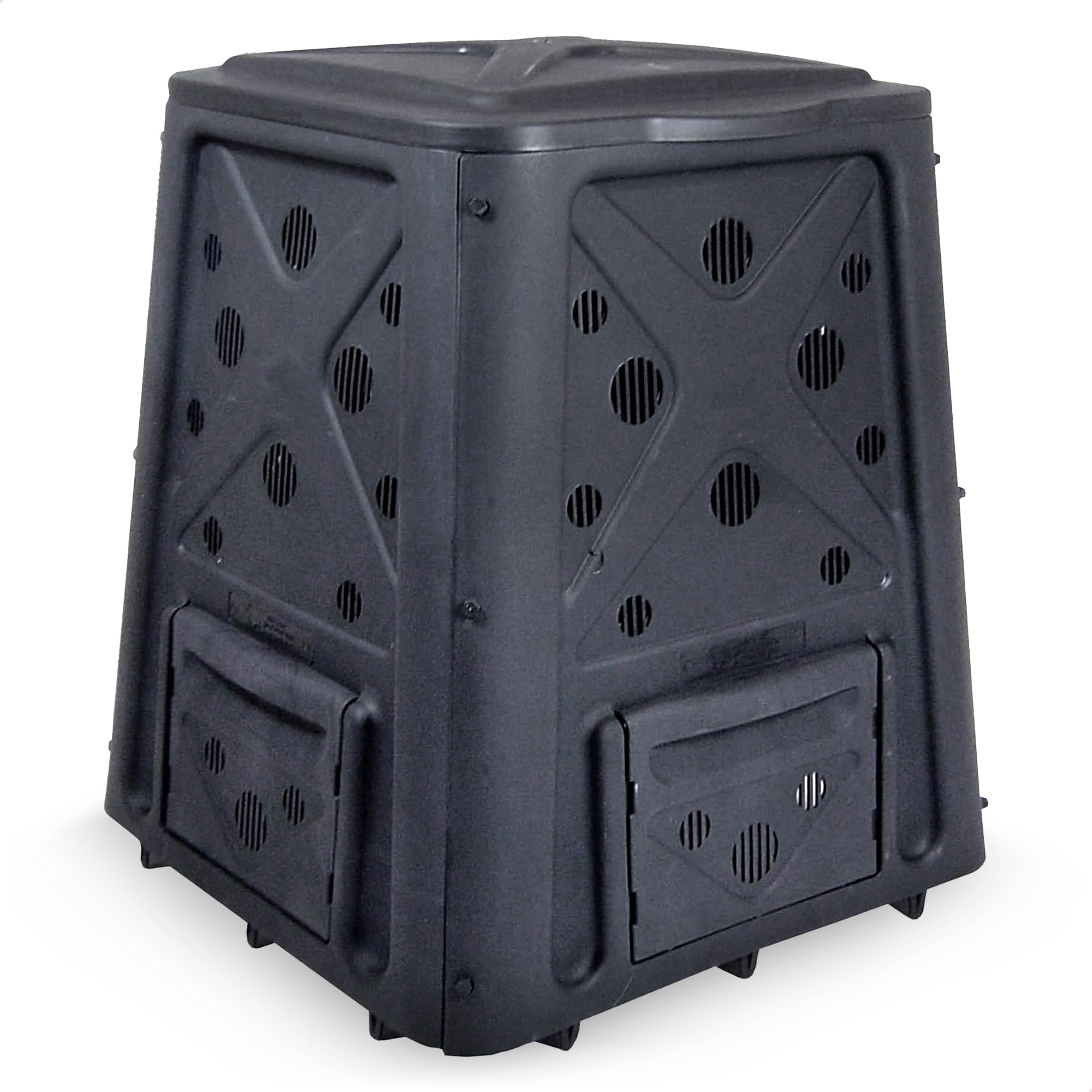
- Made with 80 percent recycled materials for outdoor use.
- Lift-off lid and four access doors make it easier to reach compost.
- Large capacity for making garden compost from organic waste.
Best Gift For: A home gardener who wants to turn kitchen food waste into compost for the garden.

EPICA Countertop Compost Bin, 1.3 Gallon
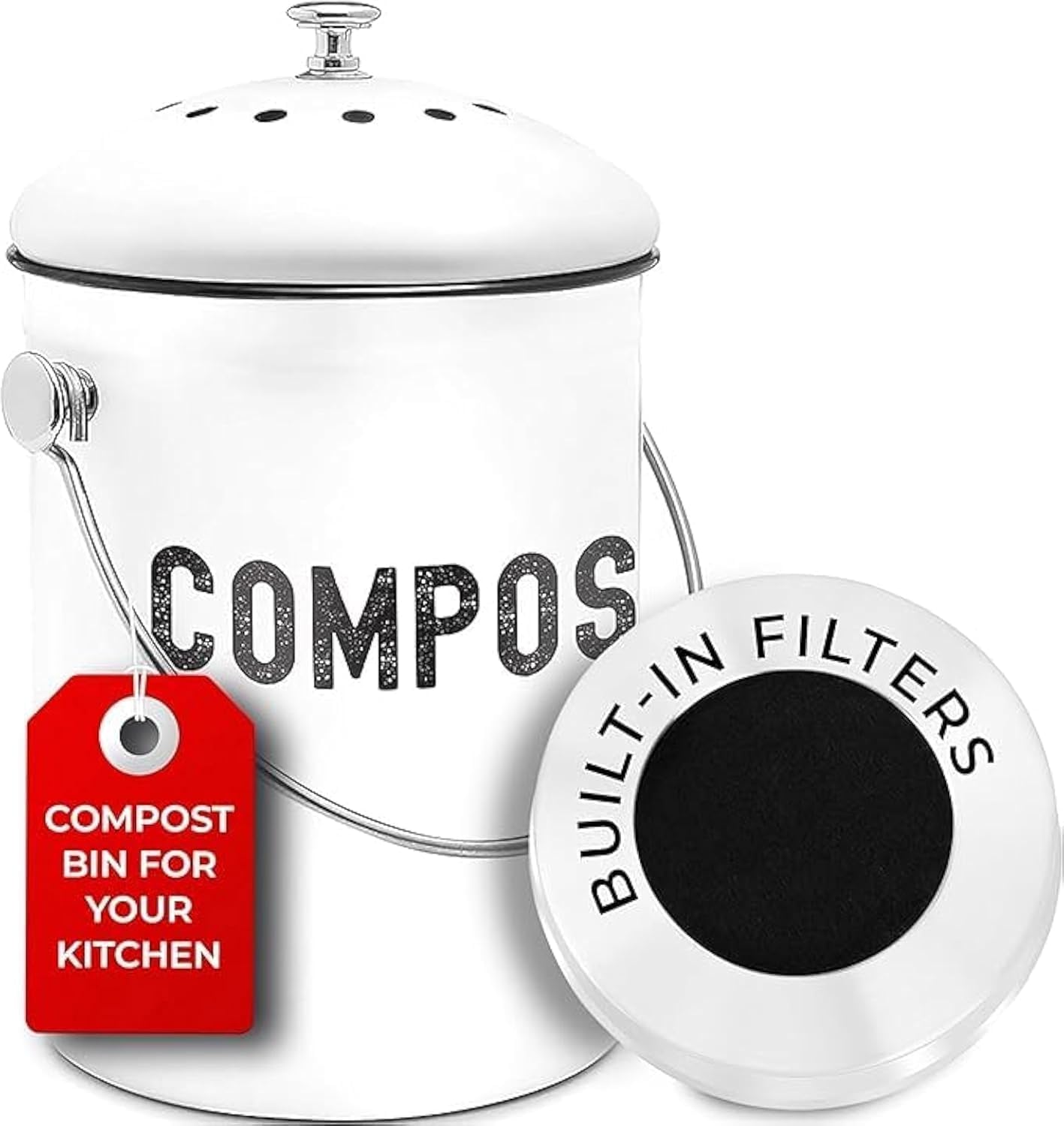
- Airtight lid and replaceable activated-charcoal filter help manage kitchen odors.
- Made of high-grade stainless steel and resists rust and leaks.
- Compact countertop size holds several days of organic kitchen waste.
Best Gift For: A home cook who wants to collect food scraps conveniently on the kitchen counter.
iDOO 12-Pod Hydroponic Growing System
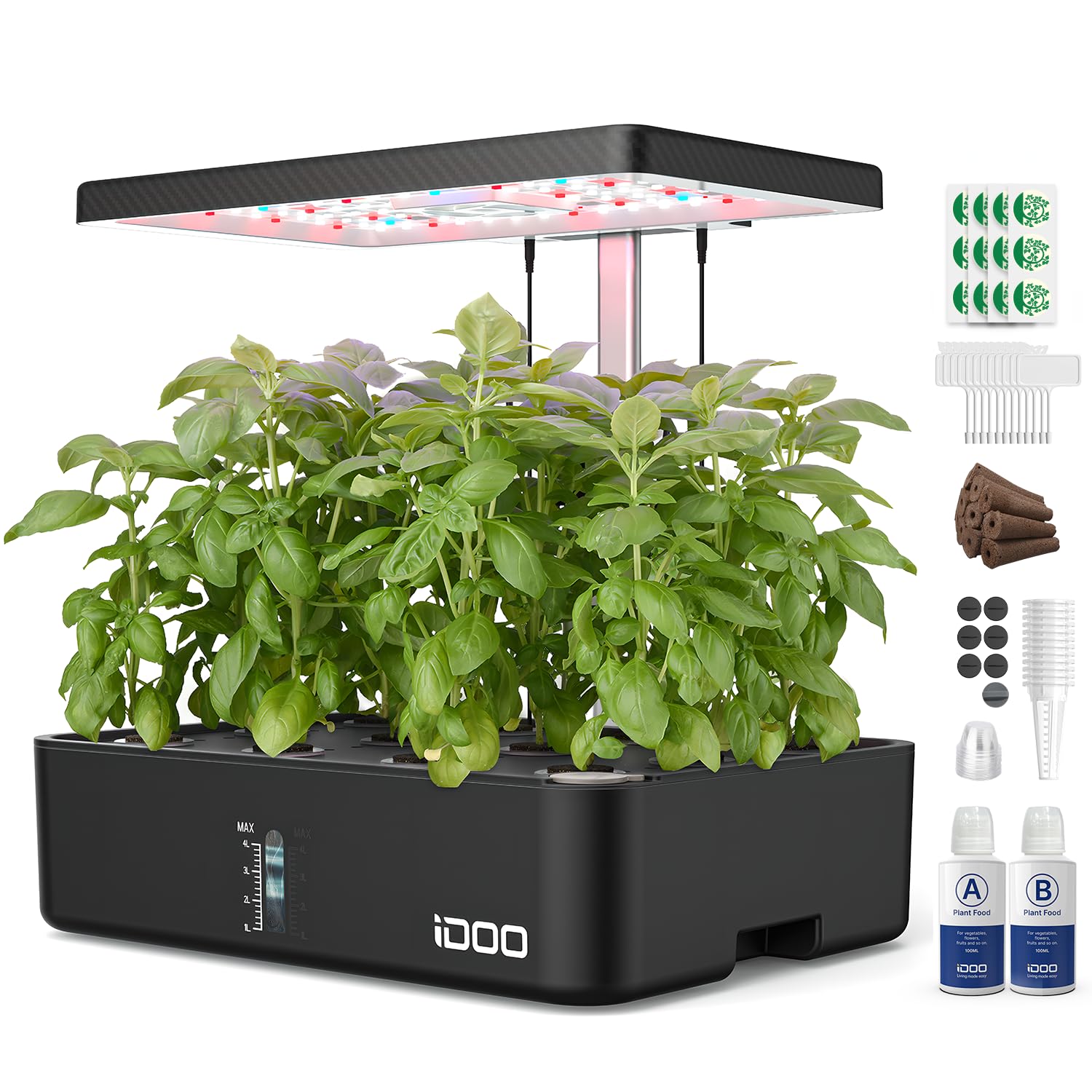
- LED grow light switches on and off automatically.
- Built-in fan and water tank support indoor plant growing.
- Adjustable light height accommodates plants at different growth stages.
Best Gift For: Someone who wants to grow herbs or other plants indoors.
Best Choice Products Elevated Wood Garden Bed
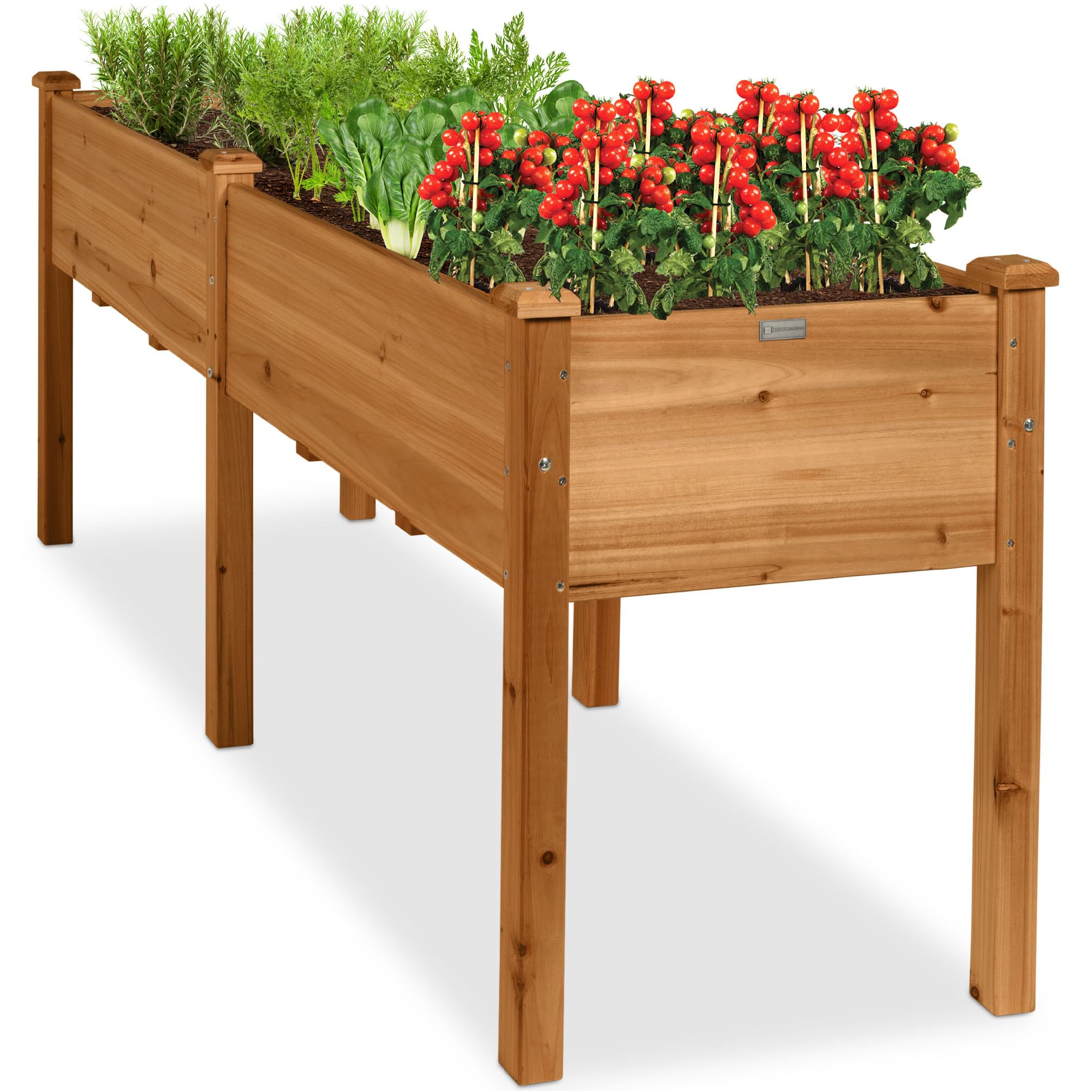
- Elevated design lets the gardener tend plants without bending or kneeling.
- Six drainage holes let excess water escape.
- Wooden structure is made from Chinese fir.
Best Gift For: A gardener who wants a raised planting space for a balcony, deck or patio.
Mr. Pen Reusable Seed Starter Trays, 5 Pack
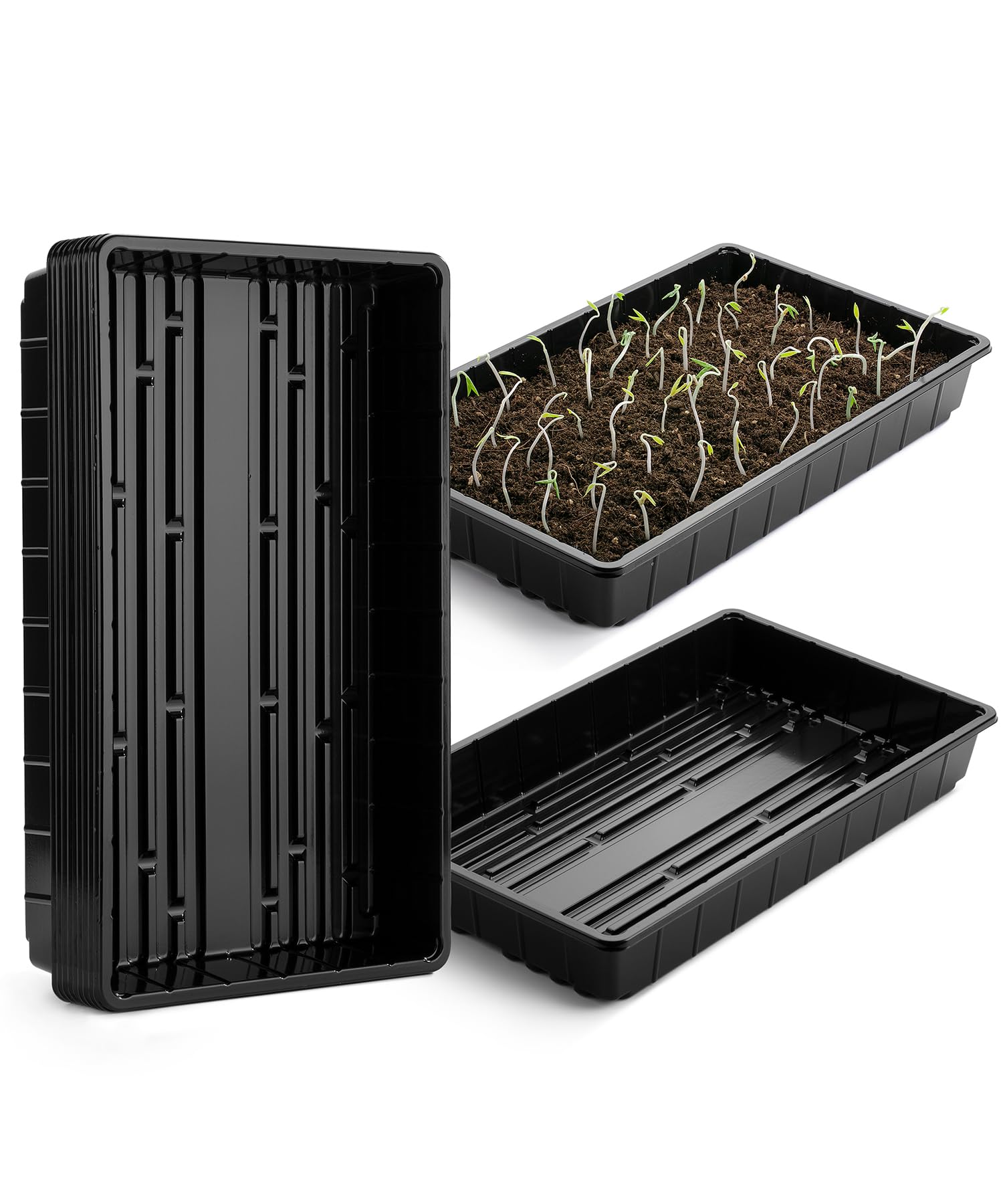
- Reusable plastic trays for growing plants indoors or outdoors.
- Raised edges help keep the work area neat.
- Works with heat mats, humidity domes and hydroponics systems.
Best Gift For: A beginner or experienced gardener starting seeds, sprouts or microgreens at home.
Best Choice Products Wooden Garden Potting Bench
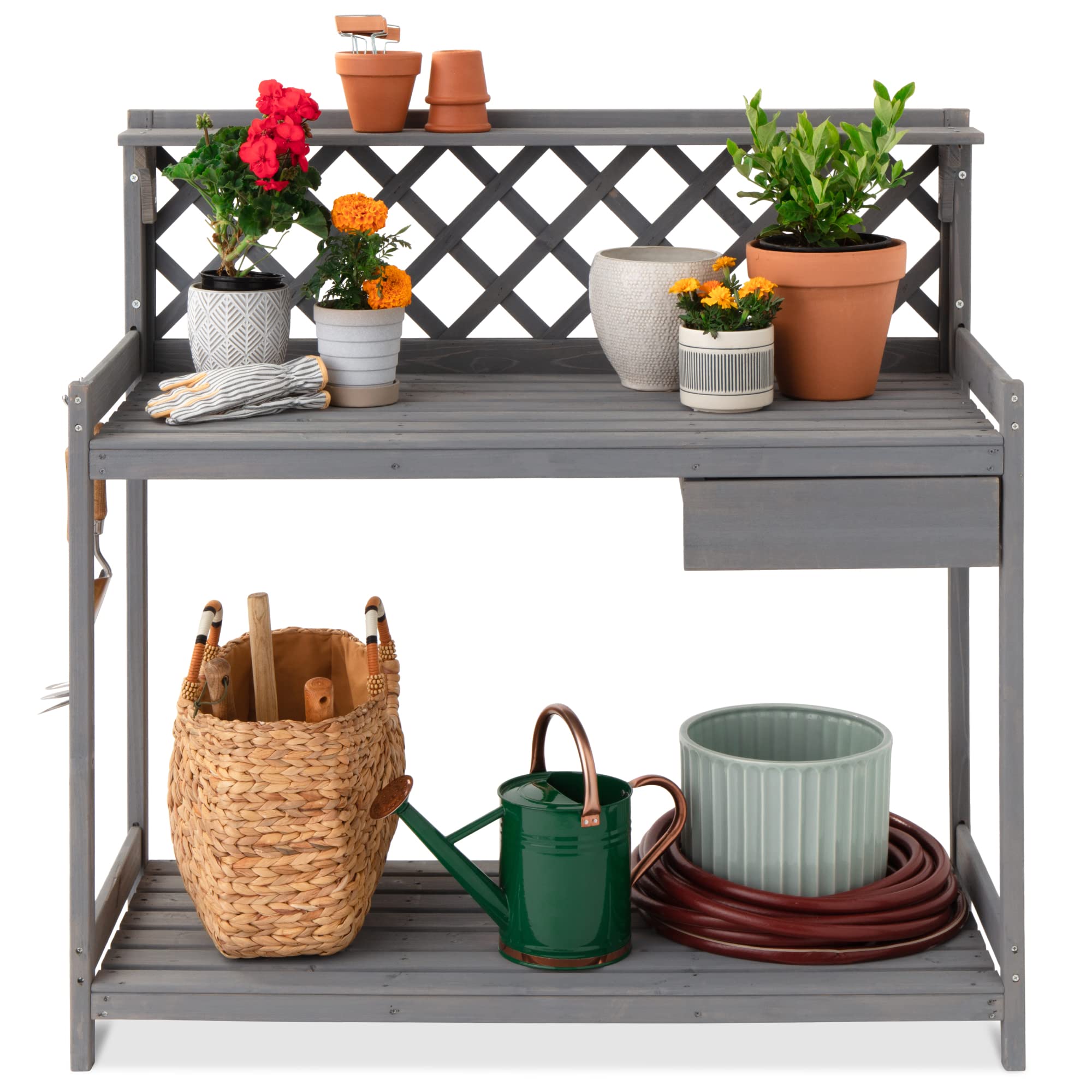
- Drawer and two hooks provide places to keep hand tools and garden essentials.
- Lower shelf can hold soil, fertilizer and other heavy items.
- Open-front top shelf keeps seedlings and watering cans close at hand.
Best Gift For: A home gardener who wants a dedicated outdoor place to pot plants and keep tools nearby.
EnHomee 14-Tier Tall Plant Stand
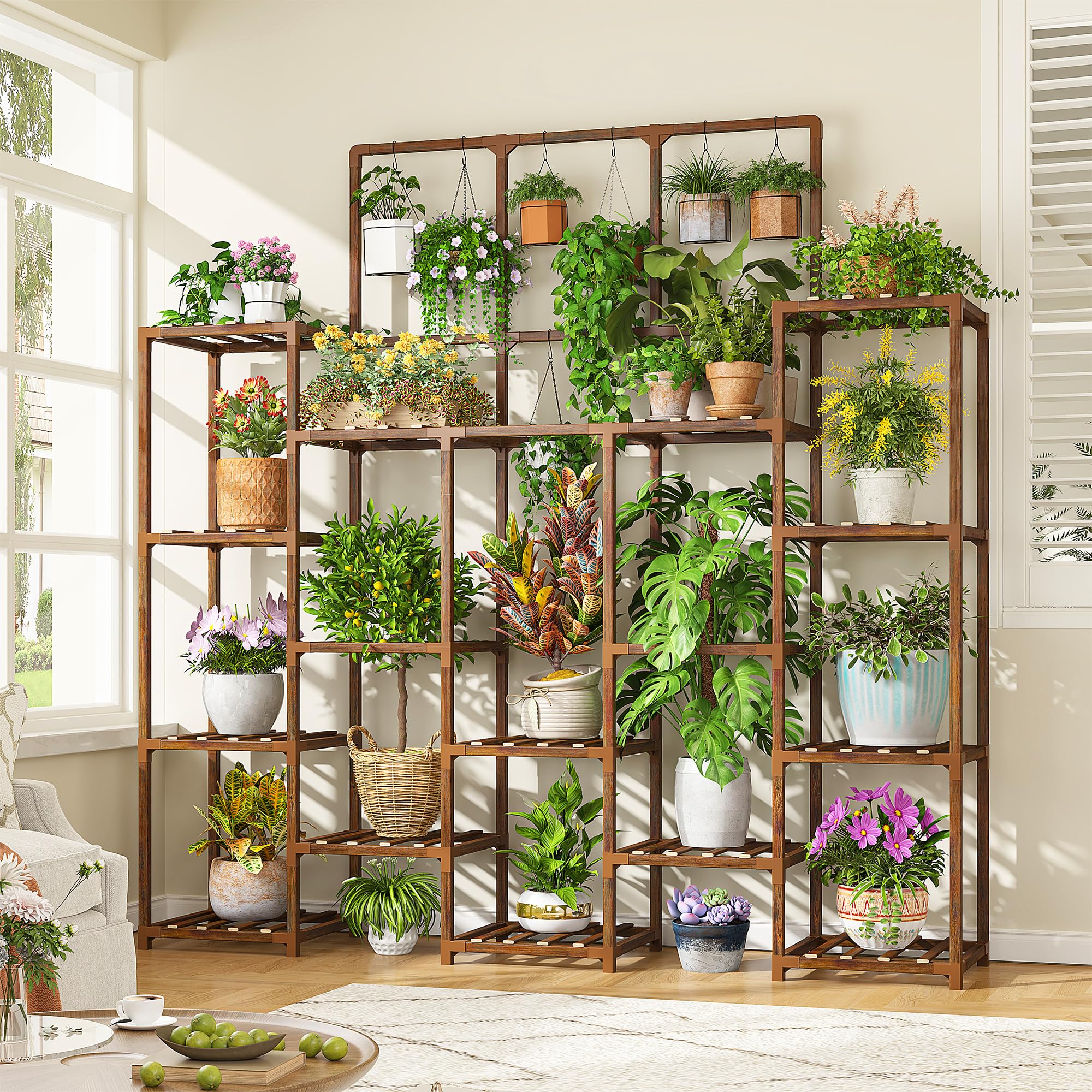
- Open-frame design supports air circulation and sunlight exposure.
- Built-in hooks provide spots for hanging planters and trailing vines.
- The shape can be reconfigured to suit a space.
Best Gift For: A plant lover who wants to display a mix of tall, small and hanging plants.
PrepNaturals Glass Meal Prep Containers, 5 Pack
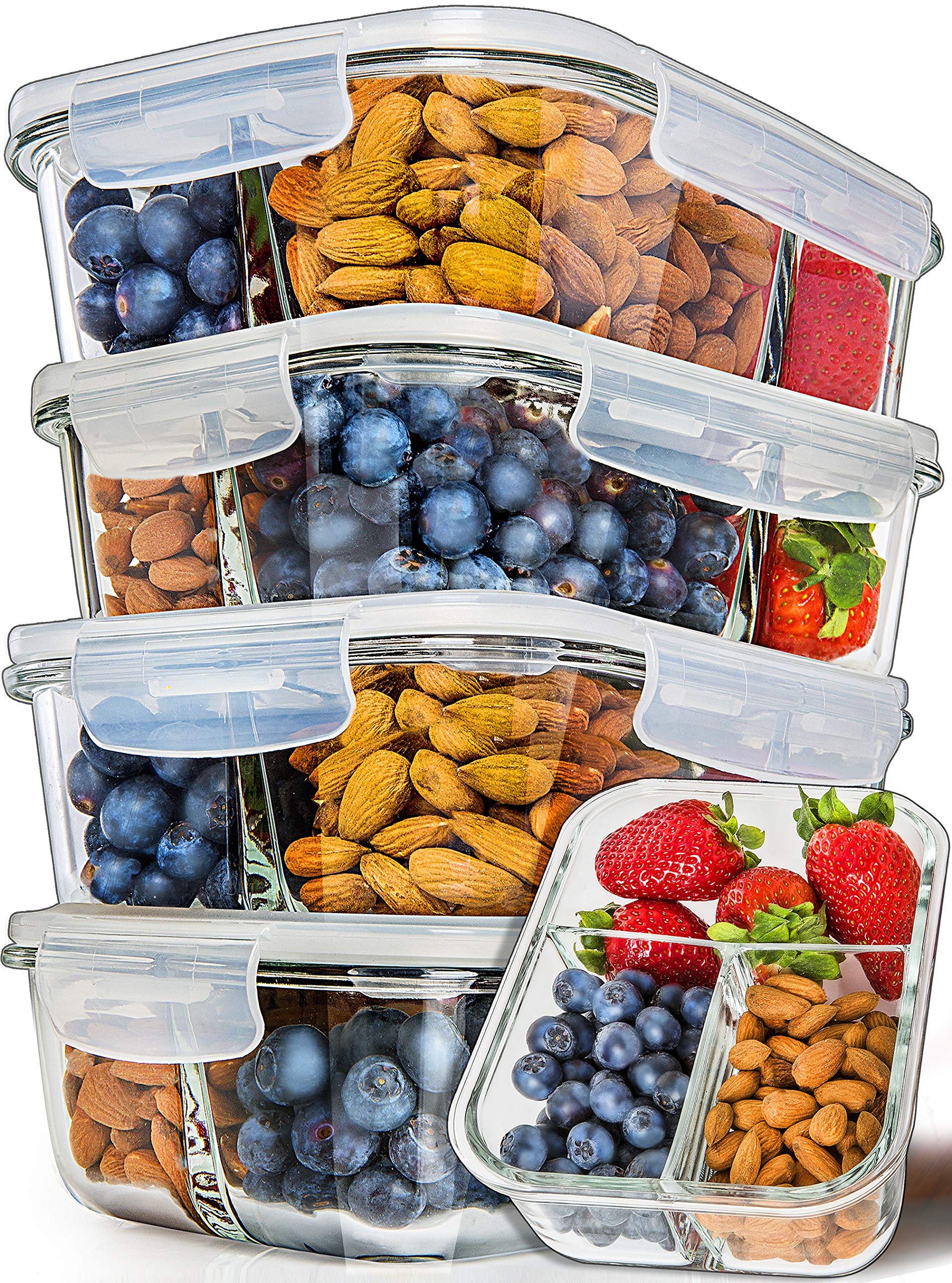
- Borosilicate glass is a plastic alternative for food storage.
- Containers are microwave, oven, freezer and dishwasher safe.
- Airtight, leak-resistant lids help keep food stored securely.
Best Gift For: Someone who packs home-cooked lunches for work, the gym or travel.
Fellow Carter Move Ceramic-Lined Travel Mug
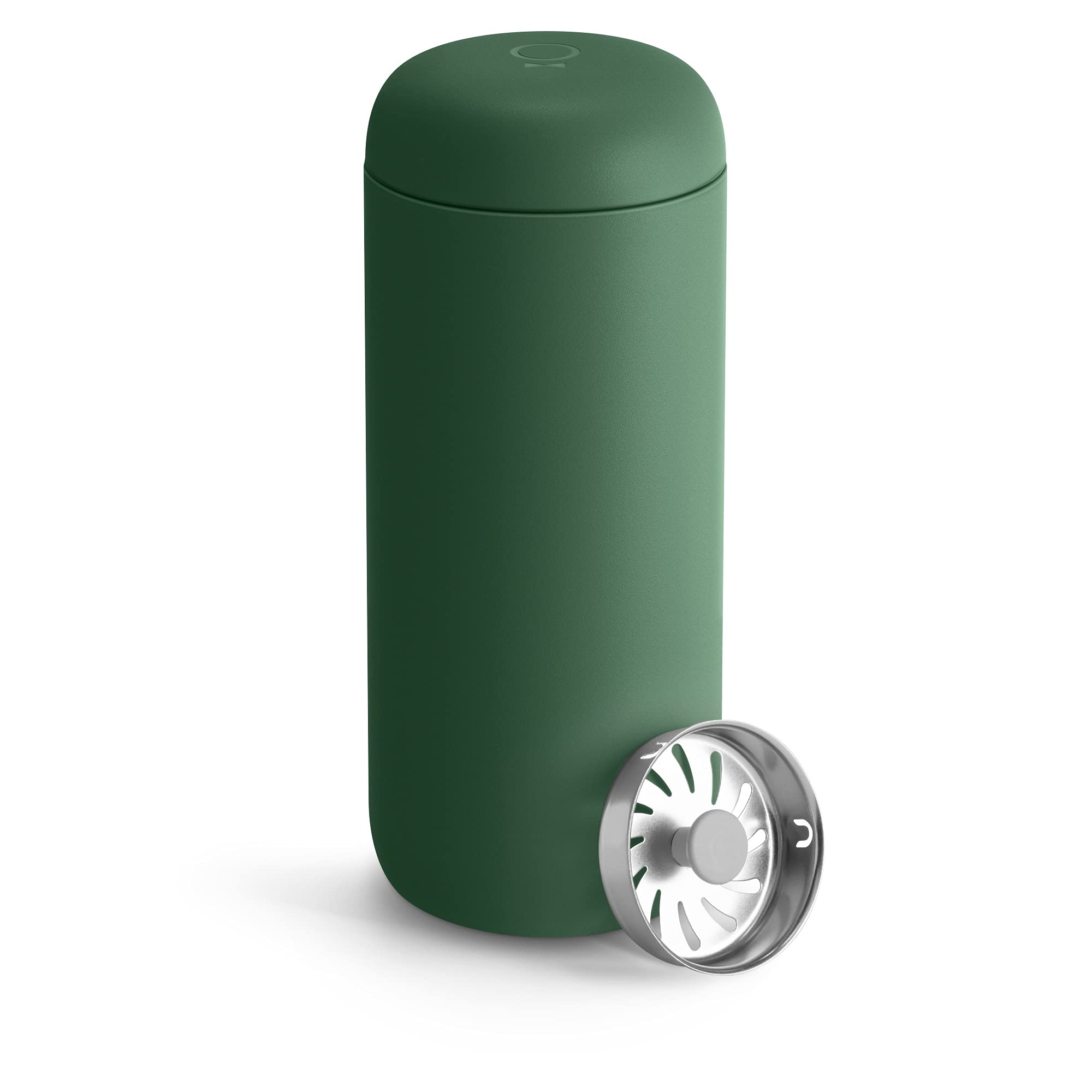
- Ceramic-coated interior helps keep drinks free from lingering oils, odors or metallic notes.
- Splash guard helps keep liquid steady when the lid is off.
- Slim shape fits most car cup holders, bags and hands.
Best Gift For: A commuter who wants a reusable mug for coffee, tea or water on the go.
SONGMICS Stainless Steel Kitchen Bin, 13 Gallon
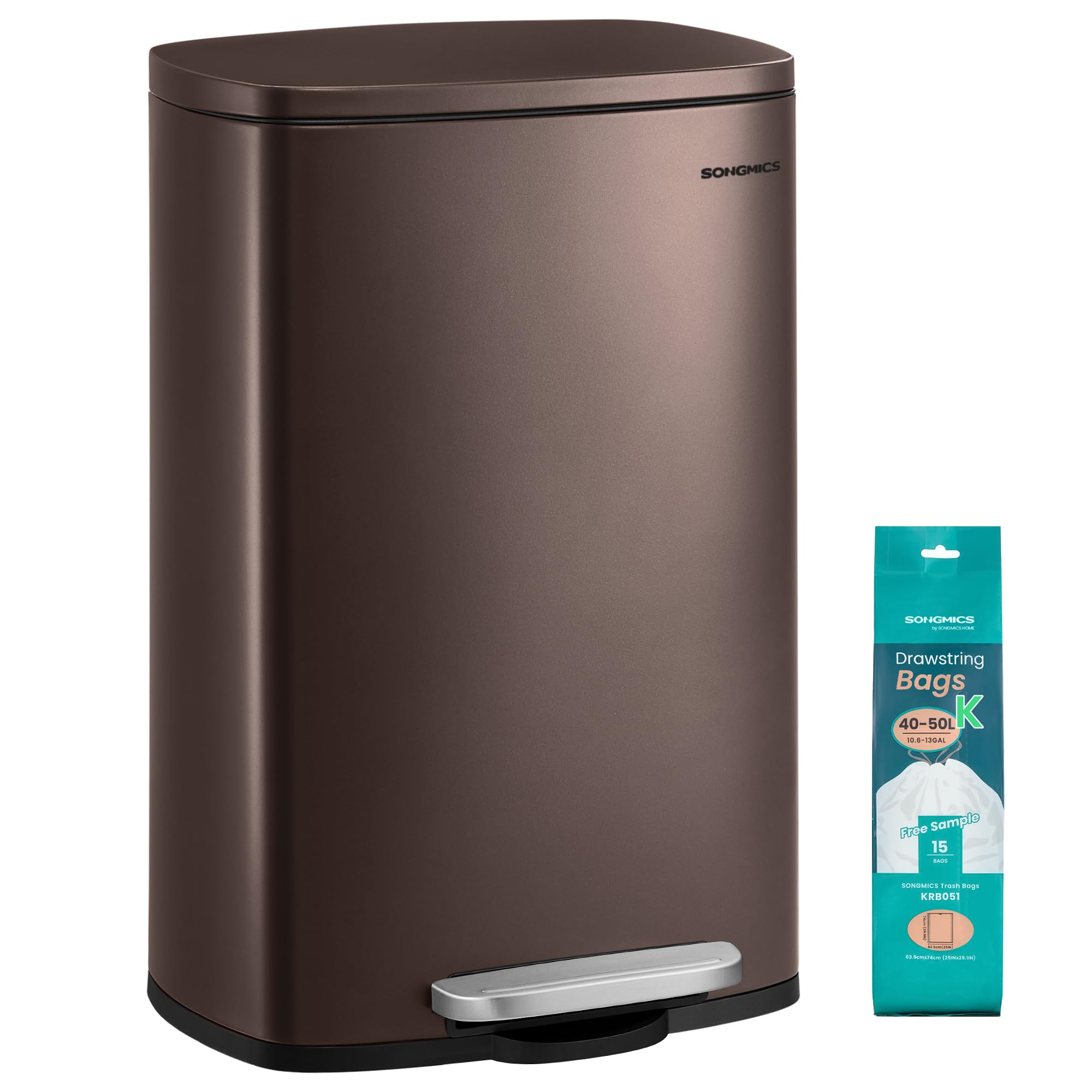
- Stainless steel body resists rust and wipes clean.
- Soft-close lid shuts slowly and quietly.
- Step-on pedal opens the lid for hands-free disposal.
Best Gift For: A household that wants a kitchen bin for everyday waste or recycling.
YARRAMATE Refillable Oil Dispenser and Sprayer
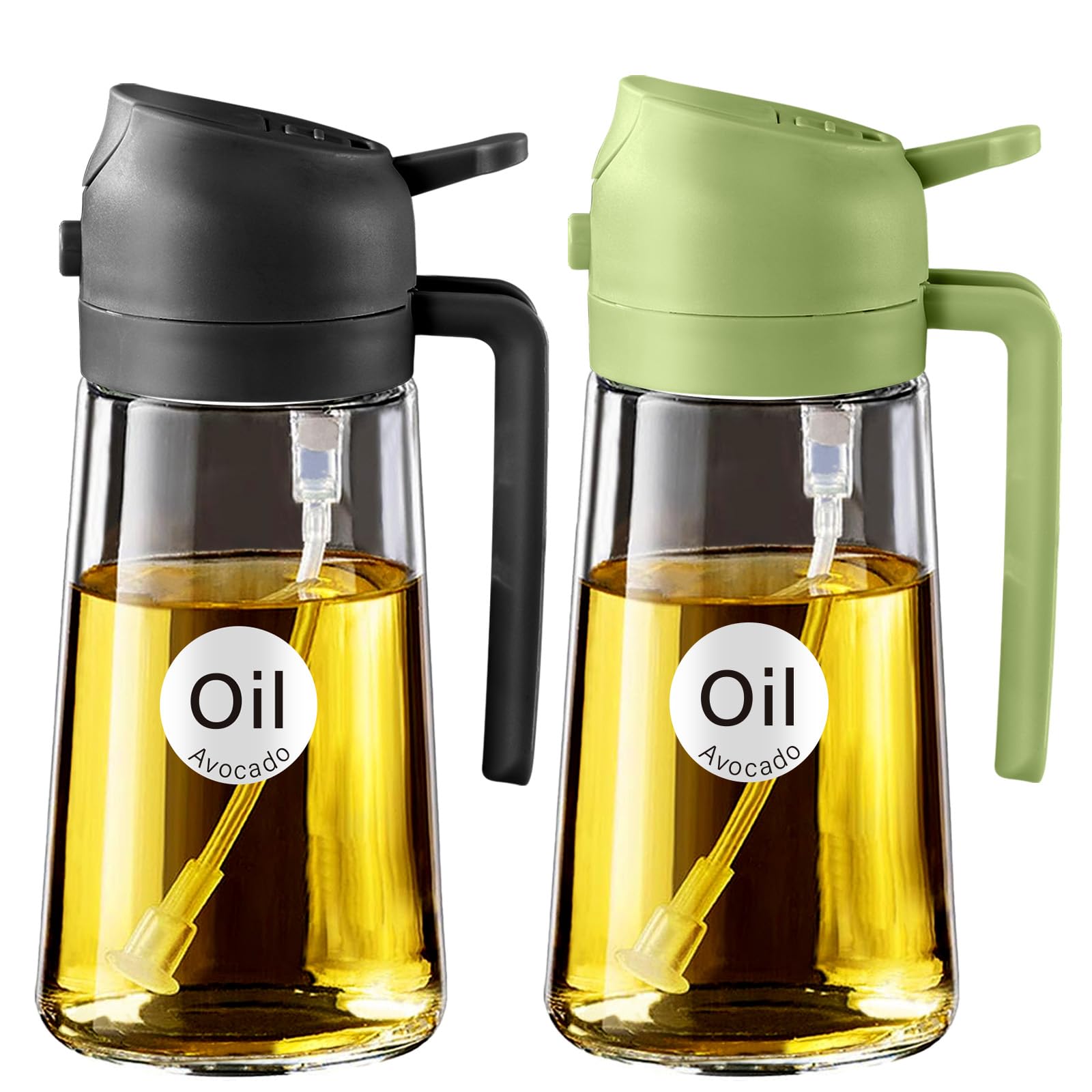
- Combines oil spraying and pouring in one bottle.
- Refillable glass design has a wide mouth for adding oil.
- Transparent glass makes the oil level easy to see.
Best Gift For: A home cook who wants one refillable bottle for pouring or spraying cooking oil.
AQUAFIT Reusable Water Bottle with Time Marker
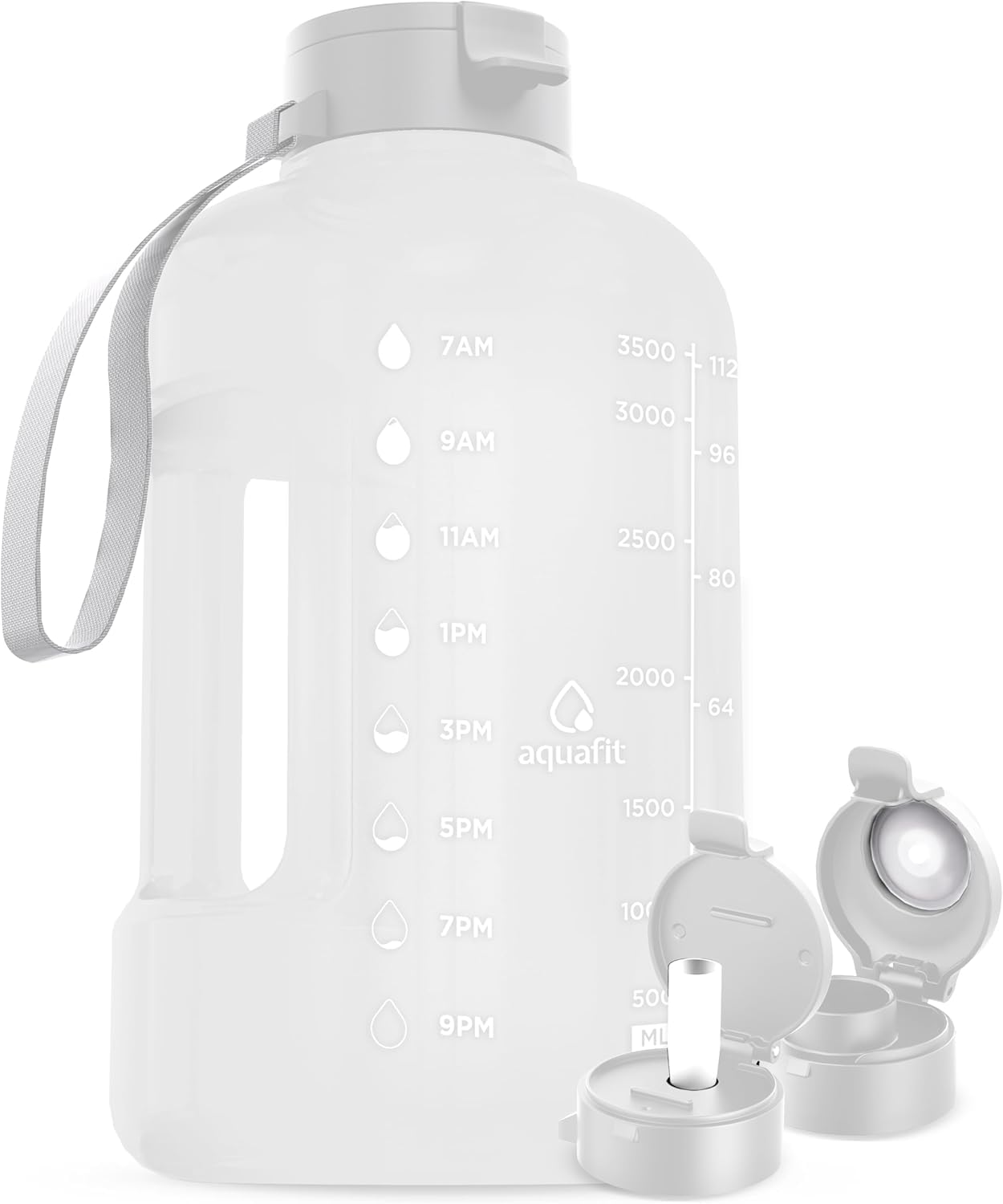
- Time markers make it easy to see daily water intake.
- Includes two interchangeable lids, one with a silicone straw.
- Wide mouth and large handle support filling and carrying.
Best Gift For: Someone who wants a large reusable bottle for an on-the-go routine.
1. Choose gifts for eco conscious people around their habits
Start with the routine the recipient already has. For gifts for eco conscious people, a kitchen composter suits someone who regularly cooks at home, while an outdoor bin makes more sense for a household with garden space and a use for finished compost.
If they like growing food, think about where they tend plants. An indoor growing setup or seed trays suit small spaces and early experiments; a raised bed or potting station calls for room outdoors and a willingness to tend a larger planting area.
For someone focused on reducing disposable items, consider what they carry or use every day. A travel mug, reusable bottle, or lunch containers can fit an established commute or packed-lunch habit.
A gift that slips naturally into a routine is more likely to be used than one that asks the recipient to remake it.
2. Balance usefulness, space and budget
Set a comfortable spending level, then compare how much room and ongoing attention each gift requires. Small kitchen and seed-starting items suit modest budgets and compact homes, while larger garden furniture and outdoor composting setups make more sense when the recipient has space to use them.
A useful price comparison includes any extras the recipient may need. Check whether a growing project requires seeds, planting medium or other supplies, and whether a composting gift fits the household’s existing waste routine.
For gardening furniture or a raised bed, measure the intended spot before deciding.
A higher-cost item can be worthwhile when it supports a long-standing interest, but price alone does not make a gift thoughtful. Compare actual prices at the time of purchase, consider the recipient’s storage and upkeep preferences, and choose a scale that feels comfortable for both the giver and receiver.
3. Personalize gifts for eco conscious people
Personalize the choice around the person’s home and habits. For gifts for eco conscious people, a balcony gardener may appreciate something that fits a small outdoor area, while a home cook may prefer a practical way to collect scraps or pack lunches.
A small companion item can make a present feel considered: include seeds suited to the recipient’s interests, a note with a favorite low-waste recipe, or a reusable cloth wrap if you know they would use it. Keep add-ons useful and avoid creating clutter for someone who prefers a simple home.
Presentation can support the gift’s purpose. Reuse a sturdy box or fabric they can keep, add a handwritten card, and explain briefly why you chose the item for them.
If the present is a larger garden piece, a printed photo or small card can stand in for elaborate packaging and let the recipient plan where it will go.
4. Make a larger garden gift easy to receive
Before choosing a bulky garden item, consider access to the recipient’s outdoor space and whether they can assemble or maintain it. A raised bed or potting bench is more welcome when it has a clear place to live and the recipient is ready to use it.
For indoor items, check counter, shelf and floor space before buying. Compare dimensions with the available spot, and confirm that the recipient can use any electrical components or accessories needed for their preferred setup.
These checks turn a good idea into a gift that fits the home.
If you are unsure, choose a flexible smaller item connected to their interests, or ask someone close to them about the type of gardening or kitchen routine they enjoy. Keep the recipient’s preferences central: some like hands-on projects, while others want a simple reusable item they can use right away.
5. Plan a thoughtful last-minute purchase
When time is short, choose a gift with a clear use and fewer fit questions. Kitchen and everyday carry items can be easier to match than furniture, but still check dimensions, compatibility and care instructions before ordering.
Review the current product details and actual price, and look at delivery estimates for the recipient’s address before you place an order. Do not assume a particular arrival date.
If timing is uncertain, give a card explaining the intended gift and follow up with the item when it arrives.
For a gardening gift, consider season and setup time without assuming what the recipient can plant or where. A smaller accessory can be a practical choice when a larger project needs planning.
A personal note connecting the gift to their routine keeps the gesture warm, even when the shopping happens close to the occasion.